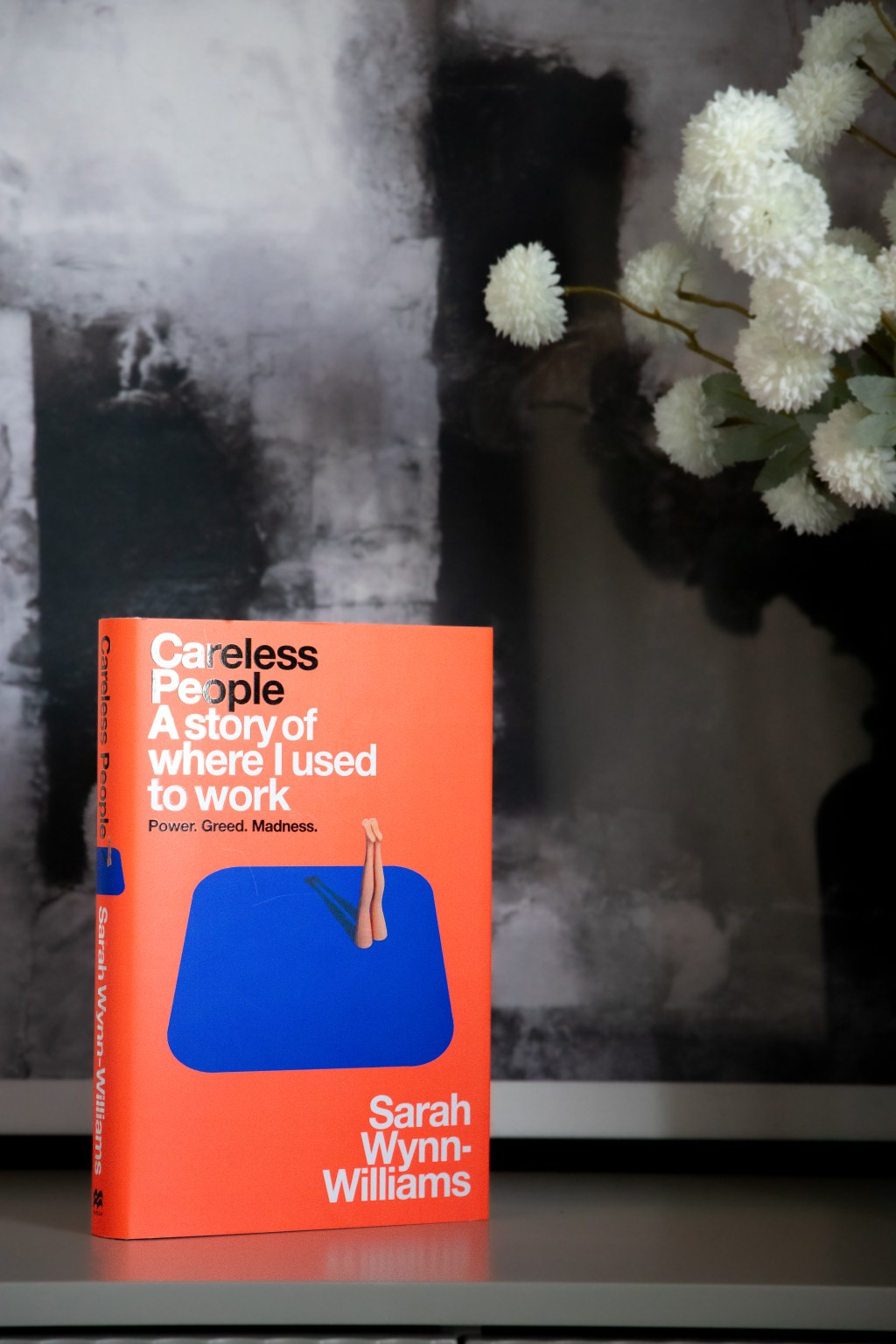
Every now and then, a book comes along that leaves me feeling like I need to go for a long walk, take a deep breath, and maybe scream into a cushion. Careless People by Sarah Wynn-Williams was that book.
Part memoir, part exposé, and 100% gut-punch, this book charts her time inside Facebook (now Meta), and wow – it is not an easy read. It’s compelling, enraging, disturbing and honest in a way that feels both courageous and terrifying. I finished it feeling horrified, frustrated, and honestly a bit scared about the world we live in – but also completely gripped from start to finish.
Let’s break it down.
Facebook: The Morality-Free Zone
Wynn-Williams doesn’t waste time sugar-coating anything. From the very beginning, she peels back the slick, values-driven branding of Facebook to expose the disconnection between what the company says and what it actually does. It’s hard to state just how chilling some of the leadership anecdotes are. At one point, she recalls Mark Zuckerberg referring to anyone who opposes Facebook as “adversaries”. Another time, she questions a policy that clearly risks real-world harm and is basically told, “Yeah…but engagement metrics are great.”
It’s not just a few bad decisions. It’s an entire culture that rewards damage if it delivers data and growth, and sees morality as optional.
And then there’s Internet.org – Facebook’s initiative to bring “free internet” to the developing world. Sounds lovely, right? Until you realise it’s a stripped-down, Facebook-heavy version of the internet, designed to onboard new users under the guise of philanthropy. Wynn-Williams cuts through the spin with brutal clarity: “Let’s just admit we’re doing it to get more users.” Oof.
Cult-Like Work Culture Designed as Hustle
Some of the most heart-breaking and infuriating parts of the book come from the inside view of Facebook’s work culture – especially how women, caregivers, and anyone with real-world responsibilities outside the company were treated.
Wynn-Williams recounts working a few days after her baby had been rushed to hospital in an ambulance. And yet, she felt compelled to downplay it all – because being vulnerable at Facebook wasn’t just frowned upon; it could cost you your job. There’s a section where she describes being in a coma and almost dying while on maternity leave and receiving a negative performance review on her first day back about how it was “challenging to engage” with her during this period of time. I mean…what?
And the way sexual harassment is dealt with (or rather, not dealt with) is equally harrowing. Wynn-Williams captures that awful, familiar sense of being silenced with politeness – of being told to be collaborative, measured, not emotional, while the men around her are allowed to dominate, ignore, or even openly harass.
The Business of Democracy
Where the book truly veers into dystopian territory is in its coverage of Facebook’s role in democracy – or rather, in dismantling it.
Wynn-Williams worked in areas related to political engagement, and the stories she shares are jaw-dropping. We’re talking about dark posts used to suppress Black voter turnout in the 2016 US election, backdoor deals with authoritarian regimes, policies designed to appease powerful figures over protecting the public, and openly lying in front of Congress. Politicians could weaponise Facebook’s platform to silence critics, spread misinformation, and manipulate public opinion – and the company enabled it.
It’s no longer about “connecting people”. It’s about who gets to control the conversation – and who gets silenced.
Targeting Teen Vulnerability
And then there’s the issue of targeted advertising, especially when it comes to teen users. Wynn-Williams shines a particularly damning light on how Facebook (and later, Instagram) exploited the insecurities and vulnerabilities of young people for profit. There’s a chilling moment when she references internal data showing that a British teen killed herself after being recommended posts on feelings of worthlessness. When young girls deleted selfies, the Facebook algorithm knew they were feeling insecure in themselves. Instead of intervening, the company used that data to better raget weight-loss ads and cosmetic products. Let that sink in.
They collected evidence that their product was harming young users – and then monetised that harm. As some who one day plans to raise kids in this digital world, I found this part especially disturbing. The fact that children and teens were treated as “high-engagement” ad targets, rather than humans, felt like a gross betrayal of trust. It’s not just unethical – it’s inhumane.
Final Thoughts
I went into Careless People expecting a corporate memoir, maybe a bit of Silicon Valley tea, and a handful of back room deals. What I got was a deeply personal, often painful look at what happens when good people are trapped in harmful systems, and how easy it is to rationalise harm when you’re told it’s in service of a “mission”.
Wynn-Williams’ writing is clear-eyed and quietly powerful. She never positions herself as a hero – it’s a call for self-awareness, accountability and change.
It made me think deeply about the platforms I sue every day (mainly Instagram). About the people behind the,. About the cost of convenience, and the value of speaking up.
If you care about tech, politics, power, feminism, or the messy intersection of all four…read this book. Just be prepared to feel a little bit sick. And maybe a little radicalised in the best way.
Also, apologies for the longer-than-usual review, there was just so much I wanted to discuss (and this isn’t even all of it).
 Books With Megz