
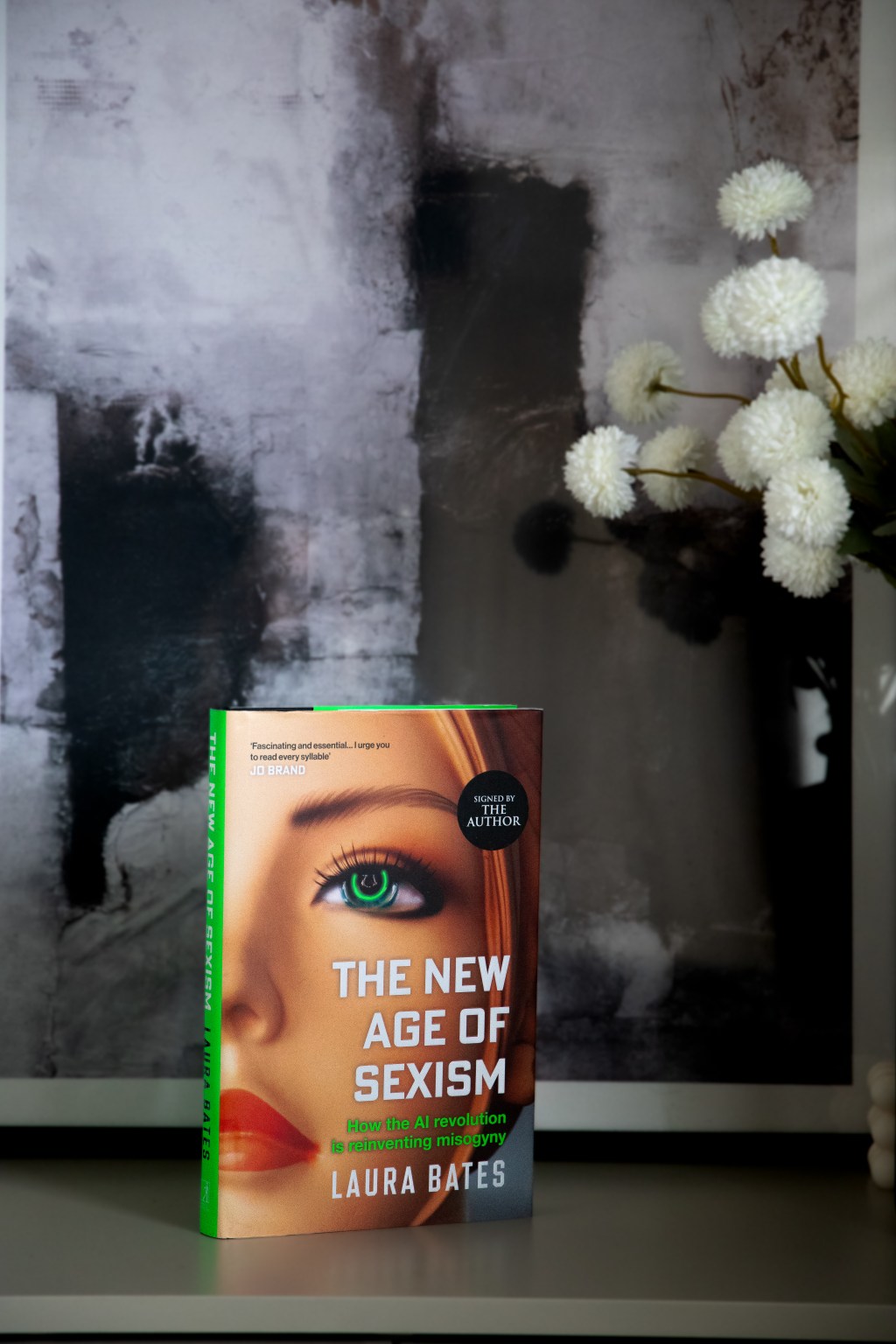
From page one, Bates’ warm-yet-urgent tone pulled me in like a late-night conversation with a friend – a friend bringing some serious truth bombs. (If her name sounds familiar, it’s because she’s the bestselling author of Everyday Sexism and Men Who Hate Women). I thought I was pretty informed about misogyny, but nothing prepared me for the onslaught of revelations in the book. Reading it felt like having a heartfelt char that suddenly turns into a wake-up call – equal parts engaging and alarming.
Shocking Facts and Eye-Opening Moments
Bates packs this book with jaw-dropping statistics and real-world examples that had me feeling nauseous at times. One that stopped me in my tracks: women are 27 times more likely than men to be harassed online (and Black women 84% more likely than white women). Let that sink in. As an avid social media user, seeing numbers put to what so many of us feel was validating – and infuriating. In fact, nearly 9 in 10 women admit they’ve adjusted their online behaviour due to abuse fears (myself included), with 1 in 3 holding back from posting and 50% saying the internet doesn’t feel safe to share their thoughts. It’s both insightful and heartbreaking: we censor ourselves to stay safe. Reading those stats, I found myself angrily nodding along, thinking “Yep, this is the reality we live in” – but also seething that it has to be this way.
Bates also dives into how emerging technology is turbocharging sexism in ways that feel ripped from a dystopian film. She describes men already using AI to create the “perfect” virtual girlfriends – customised down to eye colour and boob size – literally incapable of saying no. (That detail made my skin crawl). And if that wasn’t disturbing enough, there’s an actual VR establishment (a brothel) in Berlin where an animated woman, made to look bloodied and battered upon request, can be “presented” for men to act out violent fantasies. Yes, that exists in 2025, not some far-off sci-fi future. I had to vent to my partner after reading that, just to unclench my jaw.
Perhaps the most shocking revelations were about the epidemic of deepfake pornography. I knew deepfakes were a problem but the scale blew me away: 96% of deepfakes are non-consensual porn, and 99% of those feature women. Essentially, virtually all deepfake sex videos are created to humiliate or exploit non-consenting women. How is this not front-page news everyday?! To make it worse, in most countries, creating or sharing those degrading deepfake images isn’t even illegal. I read that fact twice convinced I had misread it the first time. It’s outrageous – and Bates’ urgent writing makes sure you feel that outrage. While so many people believe we’re gradually making progress towards gender equality, “the reality is that a new, powerful and readily accessible tool to enable the widespread abuse and oppression of women and girls is already exploding under our noses,” she warns. This line gave me chills because it so starkly captures the book’s thesis: we’re in the midst of a tech-driven tsunami of sexism that too few people recognise.
And these are just a few of the gut-punch moments Bates delivers. From an empathy gap where 74% of deepfake porn viewers feel no guilt, to law enforcement’s woefully inadequate responses (the FBI’s 2023 deepfake warning came with ten safety tips – all telling women how to protect themselves), every chapter had something that left me equal parts enlightened and enraged. It’s the kind of information that makes you go, “How is this real life?!” but then Bates backs it up with research, interviews and a passion that bleeds through every page.
Reading this as a Woman – an Emotional Rollercoaster
Reading The New Age of Sexism as a women was an intensely personal experience. I felt a whole cocktail of emotions: validation, anger, fear, and even a strange sense of solidarity. Validation, because Bates is putting hard evidence to issues that are too often dismissed as “just in your head.” (No, it’s not just you – it’s a global problem, and here are the receipts). Anger, obviously – there were moments when I was literally seething, like when I learned the tech industry often treats this abuse as collateral damage, a wild west where women’s rights and safety are being sacrificed at the altar of profitability. I also felt fear and heartbreak, especially thinking about younger girls growing up in this environment – Bates even shares stories of girls as young as 8 being targeted by online predators on seemingly kid-friendly platforms like Roblox. As a reader, that made my stomach drop.
But here’s something I didn’t expect: alongside the anger and fear, I felt strangely empowered. Bate’s tone isn’t just doom and gloom; it’s passionate and solutions-oriented. She doesn’t merely catalogue horrors – she calls them out and demands better. There’s a moment where she emphasis that “we need long-term, well-funded, complex solutions that involve intervention and prevention at every level of society, from digital regulation to criminal justice”. That rallying cry gave me hope. It reminded me that awareness is the first step to change.
Reading this as a woman was tough – at times it felt like looking into a harsh mirror – but it also felt like a bonding moment, like Bates was saying ‘I see what you’re going through. Here’s the proof. Now let’s fix this together.’
Why This Book Matters (and Who Should Read It)
I’ll be honest: The New Age of Sexism isn’t a “fun” read – it’s a vital one. Bates has written a gripping exposé that shines a light on a phenomenon we absolutely cannot afford to ignore. If you’re a woman on the internet (which is most of us), this book will make you feel seen and outraged in the best way. You may even recognise your own lived experiences in these pages and gain a whole new understanding of the forces at play behind them.
But I’d argue this book is equally just as important for men – especially men in tech, education, or policy-making. Bates exposes how misogyny is getting baked into our future through code, algorithms and biased data sets. Guys who might not personally witness these issues (or who think sexism is “mostly solved”) need to read this and see what’s happening under the glossy surface of innovation. It’s eye-opening, and it challenges the complacent idea that technology is automatically making the world better for everyone. In fact, as Bates shows, if we’re not careful, new tech is deepening old inequalities and is regressive to the freedoms that women have secured for themselves.
I highly recommend The New Age of Sexism to anyone who cares about gender equality, online culture, or the impact of new technologies on our lives. It’s an intense read but I still inhaled the words on those pages as if they were sustaining life. Parents, educators, and those mentoring young people should read it to understand the digital dangers lurking for girls. Feminists and activists will find fresh evidence and a renewed sense of urgency for their cause. And if you’re someone who loved Bates’ earlier works or similar feminist reads, this book will feel like the necessary next chapter, bringing the conversation squarely into the 2020s tech landscape.
Final Verdict
This book made me angry, it made me sad, it made me fearful, but above all it made me think. Bates’s warm, chatty style (yes, she’s somehow conversational even when discussing sex robots and deepfakes!) makes it accessible, while her research lends authority. I cam away feeling like I’d had a long, transformative coffee chat with a very informed friend. It’s the kind of read that sticks with you. So, who should read it? Honestly, everyone – especially those of us living our lives online. As the book powerfully illustrates, our future is on the line and we need to act now before it is too late.
 Books With Megz